

What I Wish I Knew Before My First Cruise (Honest Travel Tips)
Cruising for the first time is exciting—and a little overwhelming. If you’re preparing for your first sailing, there are a lot of things you might not realize until you’re actually onboard, which is why I often think about what I wish I knew before my first cruise. Between dining options, excursions, packing decisions, and daily schedules, it’s easy to feel like you need a plan for everything before you even step onboard.
After going on several cruises over the years, I’ve learned there are a few things you just don’t realize until you’re actually sailing. These are the things I wish I knew before my first cruise—the small insights that make the experience feel easier, more relaxed, and a lot more enjoyable.
You Don’t Have to Do Everything

One of the biggest things I wish I knew before my first cruise was that you don’t need to do everything on the schedule. Cruises are packed with activities, shows, tastings, pool games, classes, and excursions, and it can feel like you’re missing out if you’re not constantly moving.
The reality is, you’ll enjoy your cruise a lot more when you slow down. Sea days don’t need to be filled minute by minute, and it’s completely okay to skip a port activity, take a nap, or spend the afternoon with a book and a cocktail instead.
Some of my favorite cruise moments have come from doing less—lingering over a meal, people-watching by the pool, or stumbling into something unexpected onboard. Once you let go of the idea that you have to do it all, the experience becomes far more relaxing and enjoyable.
Dining Is More Flexible Than It Looks

Before my first cruise, I assumed dining would be rigid—set times, limited options, and lots of planning required. In reality, cruise dining is far more flexible than it appears, and you don’t need reservations for every meal to eat well onboard.
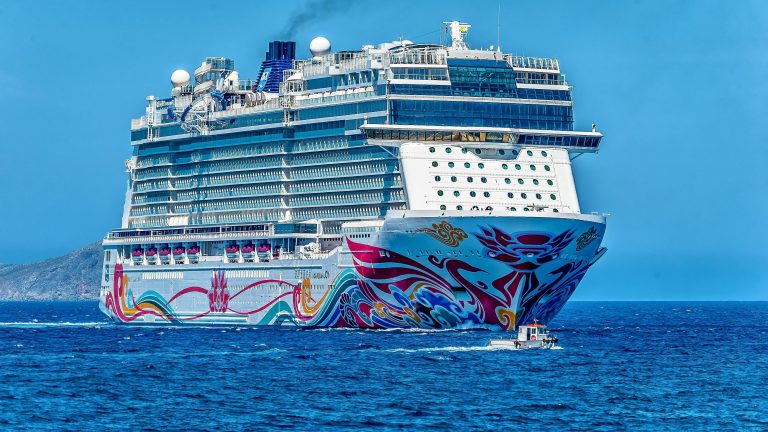
One of the reasons I’m such a fan of Norwegian Cruise Line is that there’s no set dining time in the main dining rooms. You can eat when you’re hungry, not when the schedule tells you to, which makes the entire experience feel more relaxed—especially after a long day in port.
Most cruises also offer a mix of included dining, casual grab-and-go options, and specialty restaurants. I usually keep things simple with included venues most nights and save specialty dining for one or two meals when I’m in the mood for something a little extra. Some of my favorite meals onboard have come from the most unexpected places.
It’s also nice knowing you don’t have to commit to one dining style for the entire trip. You can dress up one night, go casual the next, or grab a late-night bite without overthinking it. Once you realize how flexible cruise dining really is, meals become something to enjoy—not something you need to plan around.
Packing Mistakes First-Time Cruisers Make
Packing for your first cruise can feel tricky, mostly because it’s hard to know what you’ll actually use once you’re onboard. One of the biggest mistakes first-time cruisers make is overpacking—especially when it comes to clothes.
You don’t need as many outfits as you think. Between sea days, casual dining, excursions, and downtime in your cabin, you’ll likely re-wear more than you expect. Comfortable pieces you can mix and match will go much further than packing a different outfit for every possible scenario.
Shoes are another area where practicality matters. It’s tempting to pack mostly cute options, but comfortable walking shoes are essential for ports and long days on your feet. I’ve learned to prioritize comfort first and bring just a couple of dressier options for evenings.
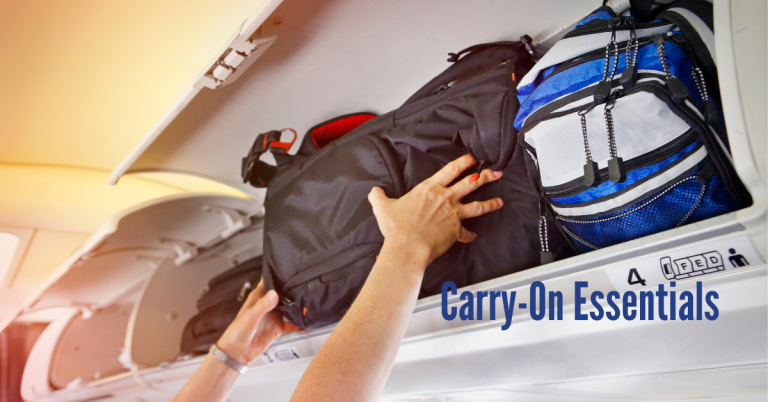
Finally, don’t forget about embarkation day. Your luggage may not arrive at your cabin right away, so packing a carry-on with essentials—like medications, a swimsuit, sunscreen, and anything you’ll want access to that first afternoon—can make day one much smoother.
Shore Excursions Aren’t One-Size-Fits-All

Before my first cruise, I thought every port day needed a booked excursion. What I’ve learned since is that excursions really depend on the destination, the amount of time you have, and what kind of experience you’re looking for.
Cruise line excursions can be a great option, especially for first-time cruisers. They’re convenient, transportation is handled for you, and the ship won’t leave without you if something runs late. That peace of mind can be worth it, particularly in ports where logistics feel more complicated.
That said, not every port needs a formal excursion. Some destinations are perfect for exploring on your own—walking around, grabbing a local meal, or heading to a nearby beach. I’ve had some of my favorite port days by keeping things simple and letting the day unfold naturally.
I’ve also had good luck booking excursions independently through platforms like Viator, especially when I want more flexibility or smaller group experiences. The key is doing a little research ahead of time and being realistic about timing so the day stays stress-free.
The biggest takeaway? There’s no right or wrong way to approach port days. Whether you book an excursion, explore on your own, or stay onboard and enjoy a quieter ship, all of it counts as a great cruise day.
Your Cabin Matters Less Than You Think

Before my first cruise, I spent way too much time stressing over the perfect cabin. Once you’re onboard, you quickly realize you don’t spend nearly as much time in your room as you expect—most of your day is out on deck, in port, or enjoying everything the ship has to offer. Looking back, this was one of the biggest things I wish I knew before my first cruise, and it would have saved me a lot of unnecessary pressure.
That said, a few cabin choices can make a difference depending on your travel style. Personally, I’m a fan of a balcony cabin, especially on longer cruises. Having a private outdoor space to sip coffee in the morning or wind down at the end of the day is one of those small luxuries that really adds to the experience.
I also prefer staying mid-ship, which tends to feel more stable and makes it easier to get around the ship without long walks in either direction. It’s a subtle detail, but one I’ve come to appreciate after cruising a few times.
The good news is that there’s no wrong choice. Interior cabins, ocean-view rooms, and balconies all work—you just need to think about how much time you’ll realistically spend in your cabin and what will make your trip more comfortable. Once you let go of finding the “perfect” room, planning becomes a lot less stressful.
There’s a Learning Curve—And That’s What I Wish I Knew Before My First Cruise
No matter how much you plan, your first cruise is going to come with a bit of a learning curve—and that’s completely normal. From navigating the ship to figuring out what you love most about cruising, a lot of it clicks as you go.
By the second or third day, things start to feel familiar. You know where to grab coffee in the morning, which spots onboard you gravitate toward, and how you like to spend your sea days versus port days. That rhythm is part of what makes cruising so enjoyable.
Every cruise after your first gets easier. You learn what to pack, how to pace yourself, and what’s worth planning ahead versus leaving open. The best advice I can give first-time cruisers is to give yourself grace, stay flexible, and remember that there’s no “right” way to cruise, just the way that works best for you.
The Final Pour
If there’s one thing I wish I’d known before my first cruise, it’s that you don’t have to get everything right for it to be a great experience. Cruises are designed to be flexible, relaxing, and a little indulgent, and the more you lean into that mindset, the more you’ll enjoy it.
Whether you’re figuring out dining preferences, deciding on excursions, or learning what kind of cabin you love most, a lot of cruising comes down to discovering what works for you. And honestly, that learning curve is part of the fun.
As I get ready for my next cruise, I’m reminded how much easier planning feels now compared to that very first sailing. If you’re in the prep phase, having the right essentials can make all the difference—so I always recommend starting with a solid checklist like my cruise packing essentials guide to help make embarkation day smooth and stress-free.
If you’re cruising for the first time, take a deep breath, stay flexible, and trust that once you’re onboard, everything starts to fall into place.


One Comment